William Bateson’s Scientific Resistance to Eugenics
Refusing the violence of the optimal
William Bateson opposed eugenics not because he was squeamish, but because his science told him that variation and exception are how life actually works — and that erasing them in the name of improvement destroys the very thing worth understanding.
The Translation
AI-assisted summaryFamiliar terms
William Bateson's opposition to eugenics is often treated as a footnote — a dissenting opinion in a field that largely embraced the movement. But his objection was epistemologically foundational, not peripheral. Bateson's emerging model of heredity was fundamentally non-linear and contextual. Where eugenicists assumed that heritable traits were discrete, internal properties that could be selectively amplified or suppressed, Bateson's work pointed toward heredity as a relational process — one that only becomes visible in the dynamic interaction between organisms and their environments. Eugenics, on this view, wasn't just ethically troubling; it was built on a Category error about what heredity actually is.
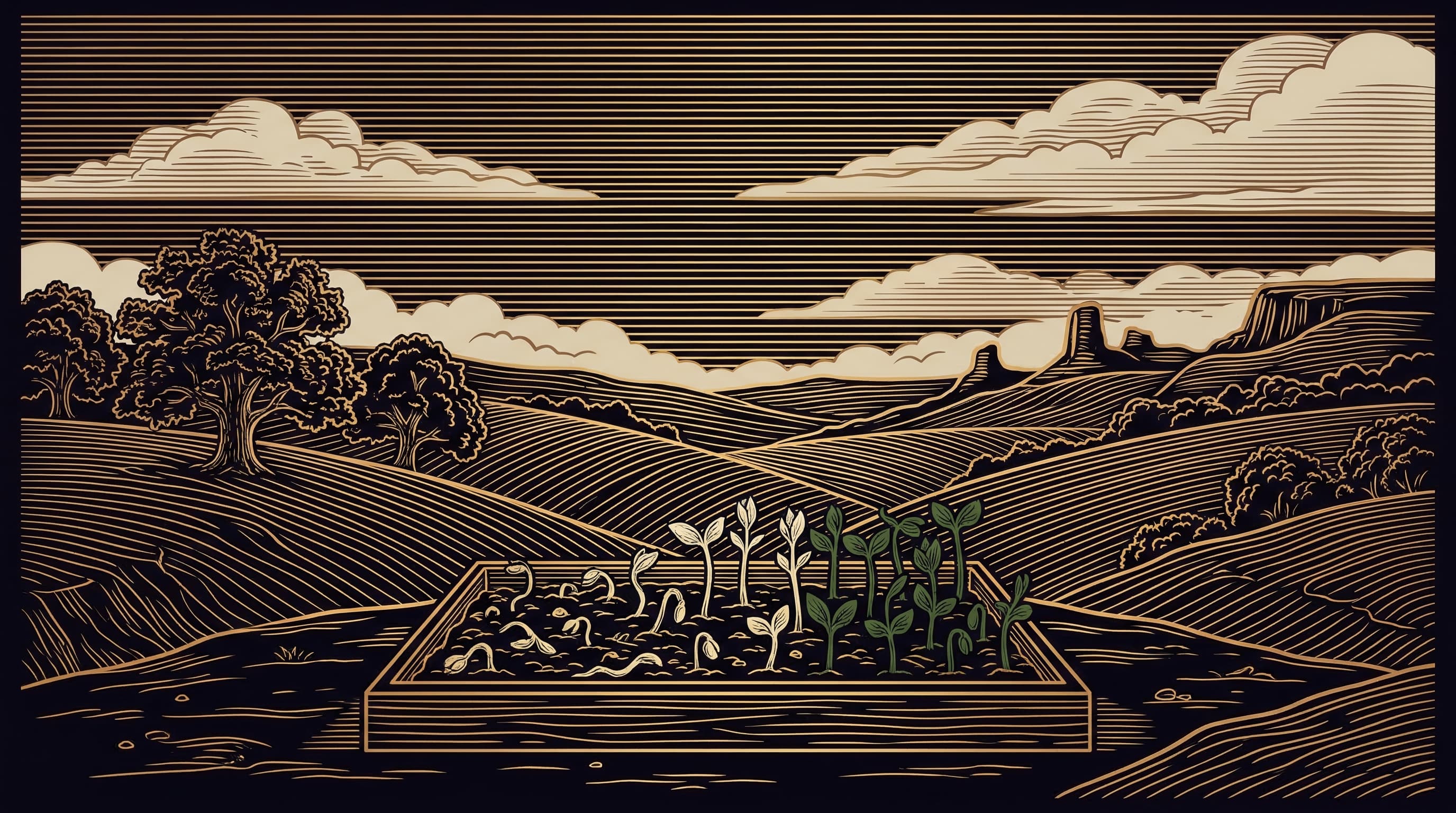
His famous injunction to 'treasure your exceptions' captures the scientific core of this position. In classical experimental logic, anomalies are problems to be explained away. For Bateson, they were the primary data. Mutations and variant phenotypes are precisely where living systems reveal their responsiveness to contextual pressures. To eliminate variation through selective breeding is not to improve a population — it is to destroy the signal that tells you how the system is actually functioning. This made eugenics, in his phrase, a 'violence against nature': not merely cruel, but epistemically self-defeating.
This theoretical stance had direct Institutional consequences. Bateson declined the first chair in genetics at Cambridge, refused a royal knighthood, and was a persistent advocate for women's full participation in academic life. These acts form a coherent pattern: a refusal to allow the apparatus of Institutional power — whether state, university, or scientific establishment — to set the terms of biological inquiry. For Bateson, the moment inquiry becomes subordinate to optimization, it ceases to be inquiry at all.